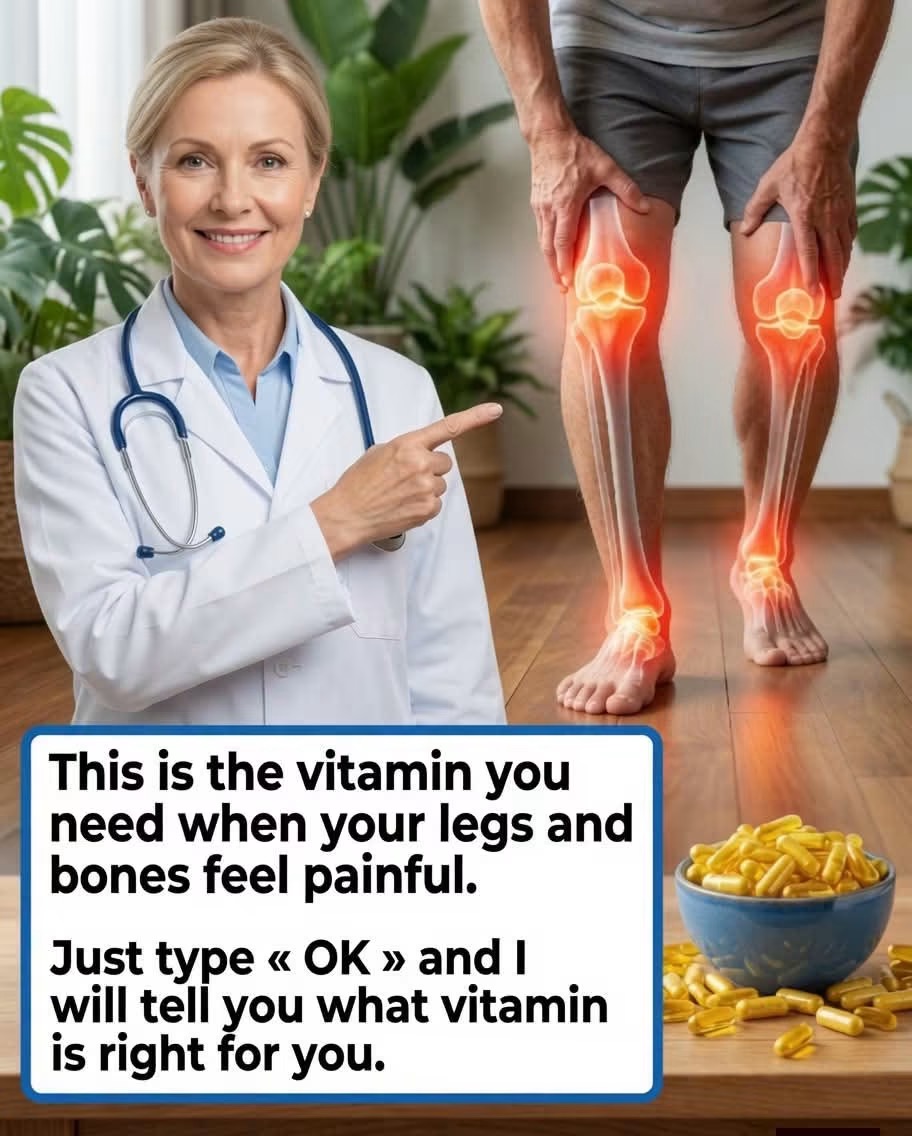
Pain in the legs, bones, muscles, or joints can have many different causes. One common question is whether a vitamin deficiency could be responsible. Vitamin D is often mentioned because it plays an important role in bone health, calcium absorption, and normal muscle function.
However, the message in the image is too broad when it suggests that one vitamin is automatically the right solution for everyone with painful legs or bones. Pain can result from many conditions, and taking supplements without knowing the cause is not always helpful.
Why Vitamin D Is Important
Vitamin D is an essential nutrient involved in maintaining healthy bones and muscles. One of its major roles is helping the body absorb calcium from the digestive system.
Calcium and vitamin D work together to support normal bone mineralization. When vitamin D levels are severely low, the body can have difficulty maintaining normal bone health.
Vitamin D also has a role in normal muscle function. This is one reason why maintaining an adequate vitamin D status is important, particularly for older adults and people at risk of deficiency.
Can Low Vitamin D Cause Leg Pain
A significant vitamin D deficiency can be associated with bone discomfort and muscle weakness. In adults, severe deficiency can contribute to a condition called osteomalacia, in which bones become softer because of impaired mineralization.
Some people with osteomalacia may experience diffuse bone pain, muscle weakness, difficulty walking, or increased susceptibility to fractures.
But not every person with leg pain has a vitamin D deficiency.
Pain in the legs can also come from muscles, joints, nerves, blood vessels, injuries, arthritis, overuse, or other medical conditions. Therefore, vitamin D should not automatically be assumed to be the cause.
Vitamin D and Bone Health
Bones are living tissues that continuously undergo remodeling. Several nutrients and hormones participate in maintaining bone strength.
Vitamin D helps regulate calcium and phosphorus metabolism, both of which are important for healthy bones.
A prolonged deficiency can interfere with normal bone mineralization. In children, severe deficiency can cause rickets, while in adults it can contribute to osteomalacia.
This is why adequate vitamin D is important throughout life.
Where Vitamin D Comes From
The body can produce vitamin D when skin is exposed to ultraviolet B radiation from sunlight.
The amount produced can vary considerably depending on factors such as season, geographic location, time of day, skin pigmentation, age, clothing, sunscreen use, and the amount of exposed skin.
Vitamin D can also be obtained from certain foods.
Dietary sources include fatty fish such as salmon, sardines, and mackerel. Some foods, including certain dairy products, plant-based beverages, cereals, and other products, may be fortified with vitamin D.
Egg yolks and some other foods contain smaller amounts.
Why Some People Are More Likely to Have Low Vitamin D
Vitamin D deficiency can occur for several reasons.
People who spend little time outdoors may have less sunlight exposure. Older adults can also have reduced ability to produce vitamin D through the skin.
People with limited dietary sources, certain intestinal absorption problems, or conditions affecting vitamin D metabolism may also be at increased risk.
The risk can also vary according to lifestyle, location, season, and individual health circumstances.
Because these factors differ between individuals, supplementation should ideally be based on a person’s needs rather than a generic social-media recommendation.
Should Everyone With Bone Pain Take Vitamin D
Not necessarily.
If someone has persistent bone pain, muscle weakness, frequent falls, or unexplained symptoms, it is better to discuss the problem with a healthcare professional.
A clinician may consider the person’s symptoms, medical history, diet, medications, risk factors, and other possible causes. When appropriate, a blood test can help determine whether vitamin D levels are low.
This is particularly important because treating the wrong cause can delay appropriate care.
Vitamin D Is Not a Painkiller
Vitamin D should not be thought of as a general painkiller.
If someone has knee pain caused by osteoarthritis, for example, correcting a vitamin D deficiency may be important for overall health, but it does not necessarily eliminate the arthritis.
Likewise, leg pain caused by a nerve problem, injury, muscle strain, circulation problem, or another condition requires an approach appropriate to that cause.
The goal is to identify why the pain is occurring rather than simply taking a supplement.
Can Vitamin D Help Muscle Function
Vitamin D contributes to normal muscle function. Severe deficiency can be associated with muscle weakness, particularly in certain groups.
Maintaining adequate vitamin D is therefore part of maintaining overall musculoskeletal health.
However, muscle pain or weakness can have many other causes, including inadequate physical activity, overexertion, nutritional deficiencies, medications, infections, neurological conditions, and other health problems.
A vitamin supplement should not be used as a universal explanation for unexplained muscle symptoms.
What About Calcium
Calcium is another important nutrient for bones.
Vitamin D and calcium work together, but taking large amounts of calcium is not automatically beneficial. Most people should aim to obtain appropriate amounts through a balanced diet unless a healthcare professional recommends supplementation.
Foods containing calcium include dairy products, some fortified plant-based beverages, leafy green vegetables, tofu made with calcium, and certain fish eaten with their edible bones.
The right intake depends on age and individual circumstances.
Be Careful With High Dose Supplements
More vitamin D is not necessarily better.
Vitamin D is fat-soluble, meaning excessive amounts can accumulate in the body. Taking very high doses for prolonged periods can cause vitamin D toxicity and lead to excessive calcium levels in the blood.
Possible consequences can include nausea, vomiting, weakness, excessive thirst, frequent urination, kidney problems, and other complications.
For this reason, high-dose vitamin D supplements should not be taken simply because an online post claims they are good for painful bones.
When Leg Pain Needs Medical Attention
Leg pain that is severe, unexplained, persistent, or getting worse deserves appropriate evaluation.
Urgent medical attention may be particularly important when leg pain occurs with significant swelling, redness, warmth, sudden weakness, inability to walk, severe injury, chest pain, or difficulty breathing.
These symptoms can have causes unrelated to vitamin deficiency and should not be treated with supplements alone.
Healthy Habits for Strong Bones
Vitamin D is only one part of maintaining healthy bones and muscles.
A balanced diet provides protein, calcium, magnesium, vitamin K, and other nutrients needed for normal body function. Regular weight-bearing physical activity can also help maintain bone strength.
Strength exercises can support muscles and physical function, while balance exercises can be useful for reducing fall risk in older adults.
Avoiding smoking and limiting excessive alcohol consumption are also important lifestyle considerations for long-term bone health.
The Bottom Line
Vitamin D is an important nutrient for healthy bones, calcium absorption, and normal muscle function. A severe deficiency can contribute to bone pain and muscle weakness, so identifying and correcting a deficiency can be important.
But the claim that vitamin D is automatically “the vitamin you need” whenever your legs or bones hurt is misleading. Pain can have many different causes, and supplementation should not replace proper evaluation.
If you regularly experience unexplained bone or leg pain, muscle weakness, or difficulty walking, speak with a healthcare professional. If vitamin D deficiency is suspected, an appropriate blood test can help determine whether supplementation is actually needed.
The best approach is not simply to find a vitamin for pain, but to find the reason for the pain and treat the underlying problem appropriately.