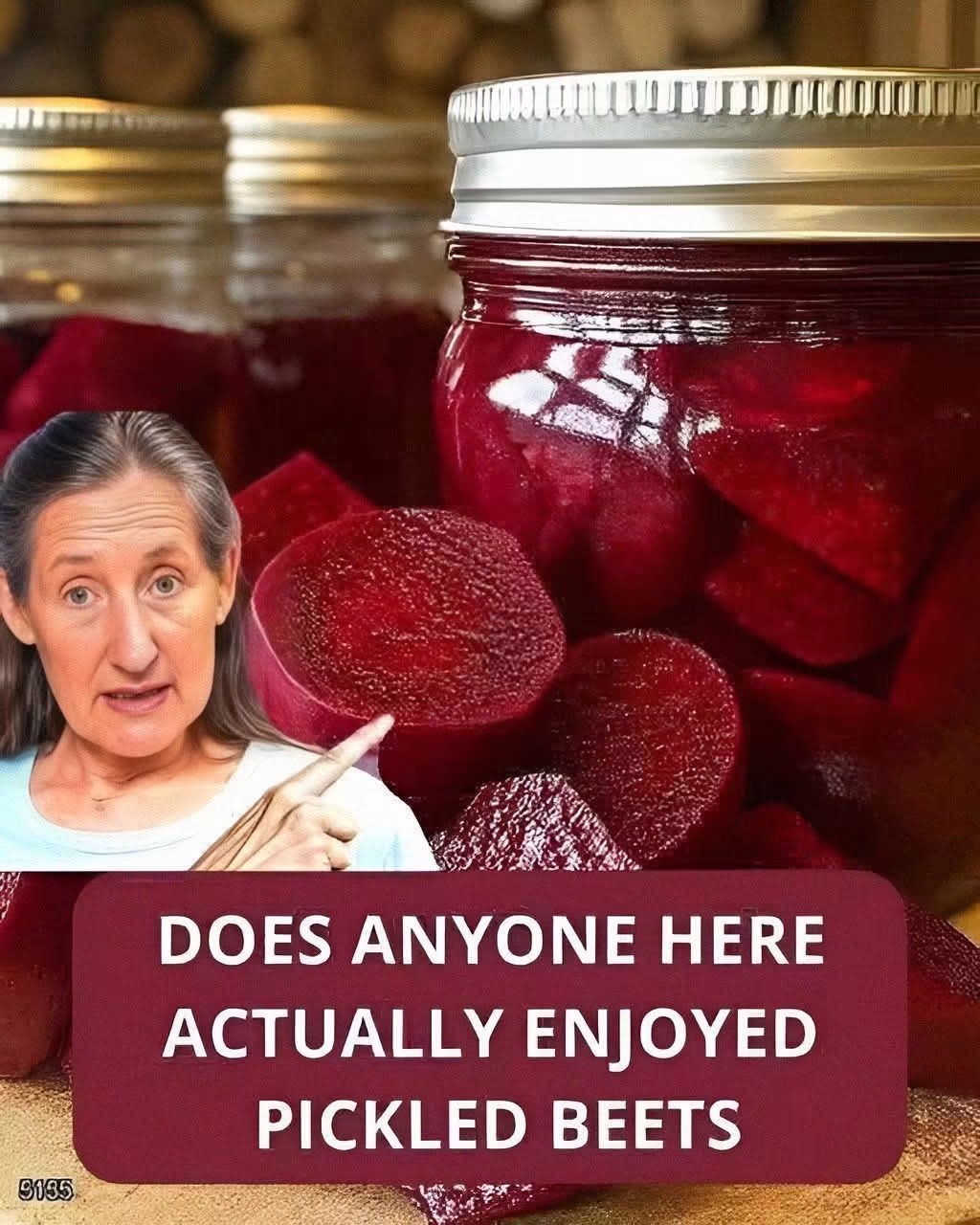
Pickled beets are a simple way to turn fresh beets into a colorful, tangy side dish that can be enjoyed with everyday meals. Their deep ruby color makes them especially attractive on a serving plate, while the combination of earthy beets, vinegar, and gentle sweetness creates a flavor that works well with many different foods.
If you already enjoy roasted or boiled beets, pickling them is an easy way to prepare them differently. The beets become tender while absorbing the sweet and sour flavor of the pickling liquid.
This homemade version is designed as a refrigerator pickle, meaning the finished jars should be kept refrigerated. It is not intended as a shelf-stable canning recipe.
Why You Will Love Pickled Beets
Pickled beets are easy to prepare and can be made with just a handful of ingredients. They are especially useful when you have more fresh beets than you can eat immediately.
The flavor is also easy to customize. You can make the pickles sweeter, more tart, or more aromatic by adjusting the spices and seasonings.
They make a delicious addition to salads, sandwiches, burgers, grain bowls, cheese boards, and simple dinner plates.
The beautiful red color also makes them a lovely homemade addition to a holiday table or family gathering.
Ingredients You Need
For a simple batch of refrigerator pickled beets, you will need:
- 4 to 5 medium fresh beets
- 1 cup vinegar
- 1 cup water
- 2 to 4 tablespoons granulated sugar
- 1 teaspoon salt
- 1 small cinnamon stick, optional
- 4 to 6 whole cloves, optional
- 4 to 6 black peppercorns, optional
- 1 small bay leaf, optional
You can use white vinegar, apple cider vinegar, or another vinegar with an appropriate acidity level. Each type will give the finished pickles a slightly different flavor.
Choosing Fresh Beets
Choose firm beets that feel heavy for their size. The skin should be relatively smooth and free from significant soft spots.
Small and medium beets are often convenient because they cook relatively quickly and can produce tender slices.
If the beets still have their greens attached, remove the leaves before cooking. You can save the greens for another recipe rather than throwing them away.
Wash the beets thoroughly to remove soil from the surface.
Preparing the Beets
Start by trimming the tops and roots of the beets, leaving enough of the beet intact to make handling easier.
Place the cleaned beets in a saucepan and cover them with water.
Bring the water to a boil, then reduce the heat and simmer until the beets become tender when pierced with a knife.
The cooking time will depend on the size of the beets. Smaller beets may cook relatively quickly, while larger ones can require considerably longer.
Once they are tender, remove the beets from the water and allow them to cool enough to handle.
The skins should then come away fairly easily. Rub or peel the skins off and discard them.
Slicing the Beets
Once peeled, slice the beets into rounds or cut them into wedges.
Thin slices will absorb the pickling liquid more quickly, while thicker pieces will provide a meatier texture.
You can also cut the beets into cubes if you prefer to use them in salads or grain bowls.
Try to keep the pieces reasonably similar in size so they absorb the pickling liquid more evenly.
Preparing the Pickling Liquid
Add the vinegar, water, sugar, and salt to a saucepan.
If you are using spices such as cloves, peppercorns, cinnamon, or bay leaf, add them to the saucepan as well.
Warm the mixture over medium heat, stirring until the sugar and salt dissolve.
There is no need to boil the mixture aggressively. Once the ingredients have dissolved and the liquid is hot, it is ready for the next step.
Taste the liquid carefully once it has cooled slightly. If you want a sweeter pickle, add a little more sugar. If you prefer a sharper flavor, you can adjust the vinegar balance in your next batch.
Combining the Beets and Pickling Liquid
Place the cooked beet slices into a clean glass jar or suitable food-safe container.
Slowly pour the warm pickling liquid over the beets, making sure the pieces are well covered.
Leave a little space at the top of the container rather than filling it completely.
Allow the mixture to cool before sealing the container and transferring it to the refrigerator.
For the best flavor, let the beets sit in the refrigerator for at least 24 hours. The flavor will continue developing as the beets absorb the vinegar mixture.
How Long Do Pickled Beets Need to Sit?
Although you can taste the beets after several hours, they generally become more flavorful after spending a full day in the refrigerator.
After two or three days, the vinegar and spices will have had more time to penetrate the beet slices.
If you prefer a stronger pickled flavor, allow them to rest longer while keeping them refrigerated.
Always use clean utensils when removing beets from the container to help maintain freshness.
Easy Flavor Variations
One of the best things about homemade pickled beets is how easy they are to customize.
Garlic Pickled Beets
Add a small amount of garlic to the jar for a stronger savory flavor. Keep the finished product refrigerated and follow good food-safety practices.
Ginger Pickled Beets
A few thin slices of fresh ginger can provide a warm, slightly spicy note that works beautifully with the earthy flavor of beets.
Spiced Pickled Beets
Try combining cinnamon, cloves, and black peppercorns for a more aromatic version.
Orange Pickled Beets
A small amount of orange zest or orange juice can provide a fresh citrus note and complement the natural sweetness of beets.
Onion and Pickled Beets
Thinly sliced red onion can be added to the jar for additional texture and flavor.
How to Serve Pickled Beets
There are many ways to enjoy homemade pickled beets.
Serve them as a side dish alongside roasted chicken, grilled meat, fish, or vegetables.
Add them to a green salad with lettuce, goat cheese, walnuts, and a simple vinaigrette.
They can also be chopped and added to grain bowls with rice, quinoa, chickpeas, cucumber, and fresh herbs.
For a simple lunch, place sliced pickled beets into a sandwich or wrap with leafy greens and cheese.
They are also excellent on a snack board with cheese, crackers, nuts, and fresh vegetables.
Pickled Beets in Salads
Pickled beets can transform an ordinary salad into something much more flavorful.
Try combining them with mixed greens, cucumber, carrots, avocado, and toasted nuts.
For a richer salad, add feta or goat cheese. The creamy, salty flavor of the cheese contrasts nicely with the sweet and acidic beets.
You can use a simple olive oil and lemon dressing, although the pickling liquid itself can also contribute acidity to the salad.
Remember that the beets will release their vibrant color, so they may turn lighter-colored ingredients pink.
How to Store Pickled Beets
Because this recipe is a refrigerator pickle rather than a tested shelf-stable canning recipe, the finished beets should always be stored in the refrigerator.
Keep the container tightly covered and use clean utensils when serving.
Do not leave the jar sitting at room temperature for extended periods.
If you notice mold, an unusual smell, bubbling that is not expected, or another obvious sign of spoilage, discard the entire batch.
For long-term room-temperature storage, use a properly tested home-canning recipe from a reliable food-preservation authority rather than adapting this refrigerator recipe.
Tips for Better Results
Use fresh, firm beets for the best texture.
Do not overcook the beets. They should be tender enough to slice but should not fall apart.
Allow the cooked beets to cool slightly before peeling them.
Slice the beets evenly so that the pieces absorb the pickling liquid at a similar rate.
Adjust the sweetness according to the natural flavor of the beets and your preference.
Allow at least 24 hours of refrigeration before serving for a more developed flavor.
Use clean glass jars or food-safe containers.
Keep the finished product refrigerated throughout storage.
Can You Use Pre-Cooked Beets?
Yes. Pre-cooked beets can save time if you want to make this recipe quickly.
If using cooked beets from the refrigerator, simply slice them and place them into a clean container before adding the prepared pickling liquid.
This can be particularly convenient when you have leftover roasted or steamed beets.
The texture may be slightly different from freshly cooked beets, but they can still make excellent refrigerator pickles.
Can You Make Pickled Beets Without Sugar?
Yes. Sugar is not essential.
It is included mainly to balance the acidity of the vinegar and complement the natural sweetness of the beets.
If you prefer a sharper, less sweet pickle, reduce the sugar or leave it out completely.
Keep in mind that changing the proportions of ingredients can affect the flavor and, in some preservation methods, food safety. For refrigerator pickles, the main goal is to keep the finished product properly refrigerated rather than treating it as a shelf-stable canned food.
Can You Use the Pickling Liquid Again?
It is generally better not to reuse leftover pickling liquid for another batch of vegetables.
Once it has been in contact with food, its flavor and composition can change, and reusing it can introduce food-safety concerns.
For the best results, prepare a fresh pickling liquid whenever you make a new batch.
Frequently Asked Questions
Do pickled beets have to be refrigerated?
For this recipe, yes. These are refrigerator pickled beets and should be stored in the refrigerator.
How long should pickled beets sit before eating?
They can be tasted after several hours, but allowing them to sit for about 24 hours gives the flavors more time to develop.
Can I use canned beets?
Yes. Canned beets can be used as a convenient alternative to fresh beets. Drain them before placing them in the pickling liquid.
Can I make them sweeter?
Yes. Add more sugar to the pickling liquid according to your taste. Start with a small increase because the natural sweetness of beets can vary.
What vinegar is best for pickled beets?
White vinegar provides a clean, sharp flavor, while apple cider vinegar gives the pickles a slightly fruitier taste. Choose an appropriate food-grade vinegar and follow a tested recipe if you plan to preserve the beets for long-term storage.
What spices go well with beets?
Cloves, cinnamon, black pepper, bay leaf, ginger, and garlic can all complement the earthy sweetness of beets.
Final Thoughts
Homemade pickled beets are an easy and flavorful way to enjoy this colorful vegetable. The combination of tender beets, tangy vinegar, and a touch of sweetness creates a versatile side dish that can be served with almost any meal.
The recipe can be adapted with different spices, herbs, citrus flavors, or levels of sweetness. You can slice the beets into rounds, cut them into wedges, or cube them for salads and bowls.
For the simplest approach, cook the beets until tender, peel and slice them, prepare a vinegar-based pickling liquid, and pour it over the beets. Once cooled, refrigerate the jar and allow the flavors to develop.
For safety, remember that this version is a refrigerator pickle and is not a shelf-stable canning recipe. Enjoy the finished beets chilled as a colorful side dish, salad ingredient, sandwich topping, or snack.