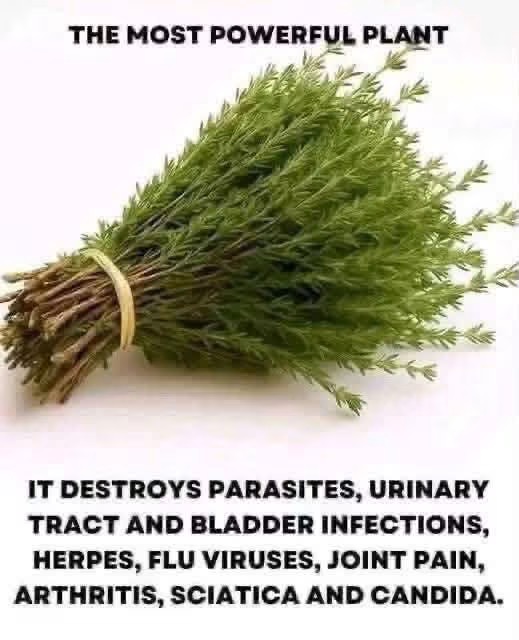
Dill is a fragrant herb commonly used in cooking, but it has also been valued in traditional herbal practices for generations. Its delicate green leaves and distinctive aroma make it easy to recognize, while its seeds are frequently used in teas, pickles, soups, sauces, and other foods.
However, viral health posts sometimes describe dill as a “powerful plant” that can destroy parasites, cure urinary infections, herpes, flu, arthritis, sciatica, and Candida. These statements are far stronger than the available scientific evidence supports. Dill may contain useful plant compounds, but it should not be considered a replacement for appropriate medical treatment.
What Is Dill
Dill, scientifically known as Anethum graveolens, is an aromatic herb belonging to the same botanical family as parsley, fennel, celery, and carrots. Both the leaves and seeds are used in food and traditional preparations.
Dill contains naturally occurring compounds such as flavonoids, phenolic compounds, and essential oils. These substances have attracted scientific interest because some demonstrate antioxidant or antimicrobial activity in laboratory studies.
That does not automatically mean that eating dill or drinking dill tea can treat an infection or disease. Laboratory findings are different from proven effects in humans.
Dill Contains Antioxidant Compounds
One of the interesting characteristics of dill is its collection of naturally occurring antioxidant compounds.
Antioxidants help protect cells from oxidative stress caused by reactive molecules. Fruits, vegetables, herbs, and spices can contribute to overall antioxidant intake when included as part of a balanced diet.
Adding fresh dill to meals can therefore be a simple way to increase the variety of plant foods in your diet.
Dill and Digestive Health
Dill has traditionally been used in connection with digestion. Dill seeds in particular have been used in various traditional food and herbal preparations.
Some people consume dill tea after meals because they find it soothing. However, evidence for using dill as a treatment for significant digestive disorders remains limited.
Persistent abdominal pain, severe bloating, vomiting, blood in the stool, or unexplained weight loss should not be treated with herbs alone. These symptoms can require medical evaluation.
Dill and Urinary Health
The viral image claims that the plant can eliminate urinary tract and bladder infections. This claim should be treated cautiously.
A urinary tract infection is usually caused by bacteria and may require proper diagnosis and treatment. Drinking herbal tea does not reliably eliminate the bacteria responsible for an infection.
Symptoms such as burning during urination, frequent urination, lower abdominal discomfort, fever, back pain, or blood in the urine deserve appropriate medical attention.
Dill can still be enjoyed as a culinary herb, but it should not be used as a substitute for treatment of a suspected urinary infection.
Does Dill Destroy Parasites
There is also a popular claim that dill can “destroy parasites.” Some plant extracts and essential oils can show antimicrobial or antiparasitic activity under laboratory conditions.
But laboratory activity does not establish that consuming ordinary amounts of dill will eliminate parasites from the human body.
Parasitic infections require identification of the specific parasite and, when necessary, treatment with an appropriate medication. Trying to treat a suspected infection only with herbs could delay effective care.
Dill and Inflammation
Dill contains several bioactive plant compounds that researchers have investigated for antioxidant and potentially anti-inflammatory properties.
This is interesting from a nutritional perspective, but it does not mean dill can cure arthritis, sciatica, or chronic joint pain.
Arthritis and sciatica can have many different causes. For example, sciatica is often associated with irritation or compression of a nerve in the lower back. Treating the underlying cause is much more important than relying on a particular herb.
Dill can be part of a healthy diet, but persistent joint or nerve pain should be evaluated appropriately.
Dill and Candida
Another claim in the viral image is that dill eliminates Candida.
Candida is a type of yeast that can normally exist in the human body without causing illness. Certain circumstances can allow Candida to grow excessively and cause an infection.
Some compounds found in herbs may have antifungal activity in laboratory experiments. Nevertheless, consuming dill is not an established treatment for Candida infections.
If someone has symptoms of a fungal infection, the appropriate treatment depends on the location and severity of the infection.
Dill and the Immune System
A varied diet containing vegetables, fruits, herbs, whole grains, legumes, nuts, and other nutrient-rich foods supports normal immune function.
Dill contributes small amounts of vitamins and minerals, although it is generally eaten in relatively small quantities.
It is more accurate to think of dill as one useful ingredient within an overall healthy eating pattern rather than as a powerful medicine capable of treating numerous unrelated diseases.
How to Use Dill in Everyday Meals
Fresh dill can easily be incorporated into everyday cooking. It works particularly well with potatoes, fish, eggs, yogurt-based sauces, vegetables, soups, and salads.
Dill seeds have a stronger flavor and can be used in pickling, bread, sauces, and spice mixtures.
Using herbs such as dill can also make meals more flavorful without requiring large amounts of salt or heavy sauces.
Important Safety Considerations
Natural does not always mean risk-free. Concentrated herbal extracts and essential oils can behave very differently from the small quantities of herbs normally used in cooking.
People who are pregnant, breastfeeding, taking medications, or managing a medical condition should be particularly cautious about concentrated herbal preparations.
Most importantly, dill should not replace prescribed treatment for bacterial infections, viral infections, fungal infections, parasitic diseases, arthritis, or other medical conditions.
The Bottom Line
Dill is a nutritious and flavorful culinary herb with a long history of traditional use. It contains various plant compounds that make it interesting from a nutritional and scientific perspective.
However, the claims in the viral image go far beyond what can responsibly be concluded from current evidence. There is not enough clinical evidence to say that dill destroys parasites, cures urinary tract infections, eliminates herpes or flu, or treats arthritis, sciatica, or Candida.
Enjoying dill as part of a balanced diet is reasonable, but serious or persistent symptoms should be assessed by a qualified healthcare professional rather than treated solely with herbal remedies.