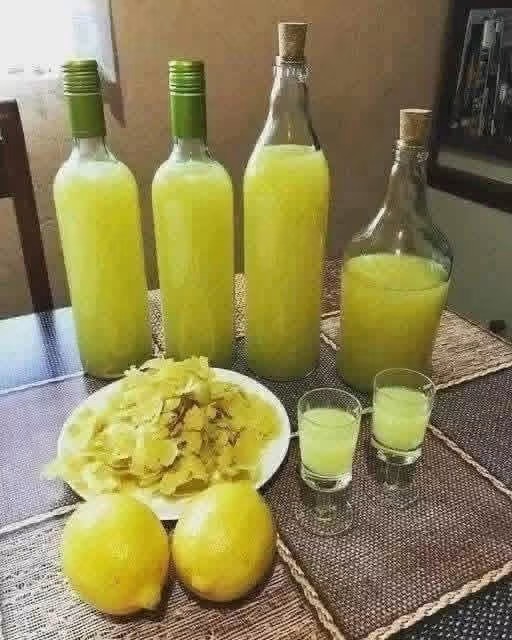
Homemade fruit drinks are a simple way to bring fresh flavor and color to the table. The image shows several bottles filled with a bright yellow-green beverage, along with fresh citrus fruit and a plate of sliced fruit nearby. The drink has a smooth, refreshing appearance and can be served chilled for breakfast, family gatherings, or a relaxing afternoon.
Preparing a fruit-based drink at home also gives you control over the ingredients. Instead of relying on heavily flavored commercial beverages, you can choose fresh fruit, water, and natural flavorings according to your taste. This particular style of drink can be adapted with citrus, pineapple, or a combination of fruits to create a pleasant balance between sweetness and acidity.
What Makes This Drink Appealing
The first thing that stands out is the vibrant yellow-green color. Brightly colored fruits often make homemade drinks especially attractive, and serving the beverage in clear glasses or bottles allows the natural color to become part of the presentation.
Fresh citrus fruit can provide a naturally tangy flavor, while sweeter fruit can soften the sharpness. If pineapple is included, it can contribute a tropical sweetness and a distinctive aroma.
The exact ingredients in a homemade drink can vary, so the recipe can be adjusted depending on what is available. The important idea is to use fresh, properly washed ingredients and create a flavor combination that suits your preference.
Ingredients for a Simple Homemade Version
A basic version can be made with fresh fruit, clean drinking water, and a small amount of lemon or lime juice. Depending on the fruit being used, a little honey or another sweetener may be added.
For a citrus-focused drink, fresh oranges, lemons, or limes can be combined. For a tropical variation, pineapple can be added to create a sweeter and more fragrant beverage.
Fresh mint is another optional ingredient. It adds a refreshing aroma and works particularly well with citrus and tropical fruit.
If you prefer a chilled drink, ice can be added when serving rather than during long-term storage.
How to Prepare the Fruit
Begin by washing the fruit thoroughly under clean running water. Peel fruits that require peeling and remove seeds, tough cores, or other inedible parts.
Cut the fruit into smaller pieces. Smaller pieces are easier to blend and can help produce a smoother drink.
If using citrus fruits, squeeze the juice and remove unwanted seeds. If using pineapple, remove the outer skin and hard central core before cutting the flesh into pieces.
The amount of fruit you use depends on how concentrated you want the drink to taste.
Blending the Drink
Place the prepared fruit into a blender and add water gradually. Start with a modest amount of water and add more until the drink reaches your preferred consistency.
Blend until the fruit is thoroughly broken down. A longer blending time can produce a smoother beverage, while a shorter blending time may leave more fruit texture.
If the mixture is too thick, simply add additional water and blend again.
For a smoother drink similar to the beverage shown in the image, pour the mixture through a fine strainer. This can remove much of the pulp and create a lighter texture.
However, straining is optional. Leaving some of the pulp in the drink can give it a more substantial texture and retain more of the fruit material.
Balancing Sweet and Tart Flavors
One of the easiest ways to improve a homemade fruit drink is to balance sweetness and acidity.
Very sweet fruit may benefit from a little fresh lemon or lime juice. On the other hand, a strongly acidic mixture may taste better with additional water or a naturally sweet fruit.
Taste the beverage after blending and make small adjustments rather than adding large amounts of sweetener at once.
If additional sweetness is needed, a small amount of honey can be used. Remember that honey and other added sweeteners contribute additional sugar to the finished drink.
Serving the Beverage
The bottles in the image show one attractive way to present a homemade beverage. Clear glass bottles allow the bright color to remain visible and can make a simple recipe look suitable for a gathering.
For everyday serving, pour the drink into a clean glass and chill it thoroughly. A few ice cubes can make it especially refreshing on a warm day.
A thin slice of lemon, lime, or another fruit can be placed on the rim of the glass. Fresh mint can also provide a simple decorative touch.
If serving guests, prepare the drink shortly before the meal and keep it refrigerated until needed.
A Tropical Variation
For a tropical version, pineapple makes an excellent addition. Pineapple has a naturally sweet and slightly acidic flavor that pairs well with citrus.
You can blend fresh pineapple with water and add a small amount of lemon or lime juice. If the result is too concentrated, dilute it with more water.
A few mint leaves can provide an aromatic finish.
This combination can create a bright yellow or yellow-green drink depending on the fruit and proportions used.
A Citrus-Based Variation
A citrus version can be made using fresh oranges with smaller amounts of lemon or lime.
Oranges provide sweetness and juice, while lemon or lime contributes additional acidity. The result can be adjusted according to taste by changing the proportions.
For a lighter beverage, dilute the juice with cold water. For a stronger fruit flavor, use more fresh juice.
Because citrus juice can be naturally acidic, it is best to taste as you go and avoid adding more lemon or lime than necessary.
Tips for Better Homemade Fruit Drinks
Use ripe fruit when possible because ripe fruit generally provides more flavor and natural sweetness.
Chill the fruit before preparation if you want the finished beverage to be cold without relying heavily on ice.
Strain the drink if you prefer a smooth texture. If you enjoy pulp, leave it unstrained.
Do not add large amounts of sweetener automatically. Taste the fruit first because some varieties may already be sweet enough.
For the best flavor, prepare the drink fresh and keep it refrigerated in a clean, covered container.
Safe Storage
Fresh fruit beverages are perishable and should be handled carefully. Store homemade juice or blended fruit drinks in the refrigerator rather than leaving them at room temperature for long periods.
Use clean bottles, containers, glasses, and utensils during preparation. If the drink develops an unusual smell, appearance, or taste, discard it rather than trying to correct it.
Making smaller batches can also be useful because homemade drinks are often best when consumed while fresh.
Enjoying Homemade Fruit Drinks
A homemade fruit drink does not need complicated ingredients or an elaborate preparation process. Fresh fruit, water, and a few simple additions can create a colorful beverage suitable for many occasions.
The drink shown in the image is a good source of inspiration for experimenting with different combinations. You can use citrus fruits for a sharper flavor, pineapple for tropical sweetness, or a mixture of both for a balanced beverage.
Fresh mint, chilled glasses, attractive bottles, and fruit garnishes can also turn an everyday drink into something special.
Final Thoughts
This bright homemade fruit beverage is an appealing option for anyone who enjoys fresh, refreshing flavors. Its yellow-green appearance makes it particularly attractive when served in clear bottles or glasses, while citrus and tropical fruits can provide a naturally flavorful base.
The recipe is flexible, so you can adjust the fruit, water, acidity, and sweetness according to your preferences. Whether prepared for a family meal, a summer gathering, or simply enjoyed at home, a fresh fruit drink can be a delicious alternative to heavily sweetened commercial beverages.
For the best results, use fresh ingredients, keep the finished drink refrigerated, and enjoy it as part of a varied and balanced diet.